

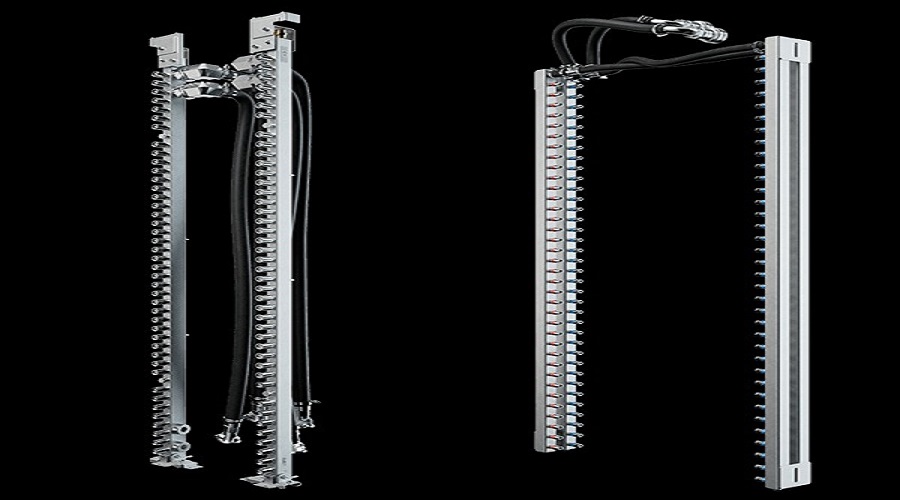
Cooling systems play a critical role in maintaining optimal performance across industries. From industrial machinery to advanced computing environments, effective temperature control ensures reliability, efficiency, and longevity. As digital infrastructure expands, especially with the rise of high-density computing, the demand for advanced data center systems has grown significantly. Whether you are managing IT infrastructure or exploring energy-efficient solutions, this guide provides a comprehensive overview tailored for modern needs.
Table of Contents
- What Are Cooling Systems?
- Why Cooling Systems Matter Today?
- Types of Cooling Systems
- Cooling Systems for Data Centers
- Datacenter Liquid Cooling: A Modern Approach
- Key Benefits
- How Cooling Systems Work: A Simple Explanation
- Choosing the Right Cooling System
- Practical Considerations for Implementation
- Conclusion
What Are Cooling Systems?
Cooling systems are technologies designed to remove excess heat from equipment or environments. Heat buildup can lead to reduced efficiency, hardware failure, and increased operational costs. These systems maintain a stable temperature, ensuring that equipment operates within safe limits. As workloads increase, traditional methods are being replaced or supplemented by more efficient solutions.
Why Cooling Systems Matter Today?
Modern infrastructure is more powerful and compact than ever before. This means more heat is generated in smaller spaces. Without proper cooling, systems can overheat quickly, leading to downtime and costly repairs. With the evolution of digital ecosystems, businesses are turning to advanced solutions such as datacenter liquid cooling to handle increasing thermal loads effectively.
Key reasons are important include:
- Maintaining consistent performance
- Preventing hardware damage
- Improving energy efficiency
- Extending equipment lifespan
- Supporting high-density computing environments

Types of Cooling Systems
It comes in various forms, each designed for specific applications. Understanding these types helps in selecting the most suitable solution.
Liquid Cooling Systems
They are becoming increasingly popular, especially in high-performance computing environments.
How it works:
A liquid coolant absorbs heat directly from components and transfers it away more efficiently than air.
Advantages:
- Superior heat transfer capability
- Supports higher computing densities
- Reduces energy consumption
Immersion Cooling
A specialized form of liquid cooling, immersion involves submerging hardware in a non-conductive liquid.
How it works:
The liquid absorbs heat directly from components, eliminating the need for traditional airflow.
Benefits:
- Extremely efficient heat removal
- Minimal noise
- Reduced need for air conditioning
Cooling Systems for Data Centers
Data centers are among the most heat-intensive environments. Servers, storage systems, and networking equipment continuously generate large amounts of heat. Traditional air-based cooling systems often struggle to keep up with modern demands. This is where systems for data centers have evolved significantly.
Key Requirements for Data Center Cooling
- High efficiency
- Scalability
- Reliability
- Energy optimization
Modern data centers are increasingly adopting data center liquid cooling to address these needs.
Datacenter Liquid Cooling: A Modern Approach
Datacenter liquid cooling represents a shift toward more efficient thermal management. Instead of relying solely on air, these systems use liquids to absorb and transfer heat.
How does it work?
Liquid is circulated through cooling plates or pipes that come into contact with heat-generating components. The heated liquid is then cooled externally and recirculated.
Why It’s Gaining Popularity?
- Handles higher heat loads
- Reduces energy consumption
- Enables compact infrastructure design
Solutions from providers like CoolIT Systems have helped accelerate the adoption of these technologies by offering scalable, efficient cooling.
Key Benefits
Liquid cooling systems offer several advantages over traditional methods, especially in high-performance environments across Alberta.
- Improved Efficiency: Liquids have a higher heat capacity than air, allowing them to absorb more heat and cool components faster.
- Energy Savings: By reducing the need for large air conditioning units, these systems lower energy consumption and operational costs.
- Enhanced Performance: Efficient allows systems to operate at higher capacities without overheating.
- Space Optimization: It enable more compact designs, making them ideal for modern data centers.
- Reduced Noise Levels: Since fewer fans are required, these systems operate more quietly.
How Cooling Systems Work: A Simple Explanation
At their core, all systems follow a similar principle: heat transfer. Heat moves from warmer components to a cooler medium, ensuring systems remain within safe operating temperatures. In a liquid datacenter, this process is optimized by using liquids that absorb heat more efficiently than air, enabling faster dissipation and improved thermal stability.
Step-by-Step Process
- Heat is generated by equipment
- The heat is transferred away from the source
- The cooling medium is cooled and reused
Choosing the Right Cooling System
Selecting the right cooling solution depends on several factors:
- Workload Requirements: High-performance environments benefit from liquid cooling datacenter solutions, while smaller setups may rely on air cooling.
- Space Availability: Limited space often favours compact solutions like liquid cooling.
- Budget Considerations: While initial costs may vary, long-term energy savings can offset higher upfront investments.
- Scalability Needs: Growing operations require systems that can adapt and expand over time.
Practical Considerations for Implementation
It’s important to plan carefully.
- Assess current and future needs
- Evaluate infrastructure compatibility
- Consider maintenance requirements
- Ensure proper installation and monitoring
Businesses looking to upgrade their systems can explore advanced solutions and visit our location to better understand available technologies. With modern tools and support, it’s easier than ever to find us and the right solution for your needs.

Conclusion
From traditional air cooling to advanced liquid systems, each approach offers unique benefits. They are essential for maintaining performance, reliability, and efficiency in modern environments. As computing demands continue to grow, cooling systems for data centers must evolve to keep pace. Datacenter liquid cooling stands out as a forward-thinking solution, offering improved efficiency and scalability. By understanding how these systems work and their advantages, businesses can make informed decisions that support long-term success.
FAQs
What makes liquid systems more efficient than air cooling?
Liquid systems are more efficient because liquids can absorb and transfer heat more effectively than air. This enables faster heat removal and better temperature control, especially in high-density environments where traditional airflow may be insufficient.
Are liquid cooling suitable for all data centers?
It can be adapted to many types of data centers, but their suitability depends on factors such as infrastructure, budget, and performance requirements. They are particularly beneficial for high-performance environments where heat generation is significant.
How do cooling systems impact energy consumption?
It plays a major role in overall energy usage. Efficient systems, especially those using liquid cooling, can significantly reduce energy consumption by minimizing the need for large air-conditioning units and optimizing heat-transfer processes.
What maintenance is required for liquid cooling data center solutions?
Maintenance typically involves checking coolant levels, ensuring there are no leaks, and monitoring system performance. Compared to traditional systems, liquid cooling often requires less frequent maintenance but should still be regularly inspected to ensure optimal operation.
Can systems improve cooling equipment lifespan?
Yes, it helps maintain stable temperatures, reducing stress on components. This can extend equipment lifespan, improve reliability, and minimize the risk of unexpected failures, making it a valuable investment for any operation.


About the Author


