

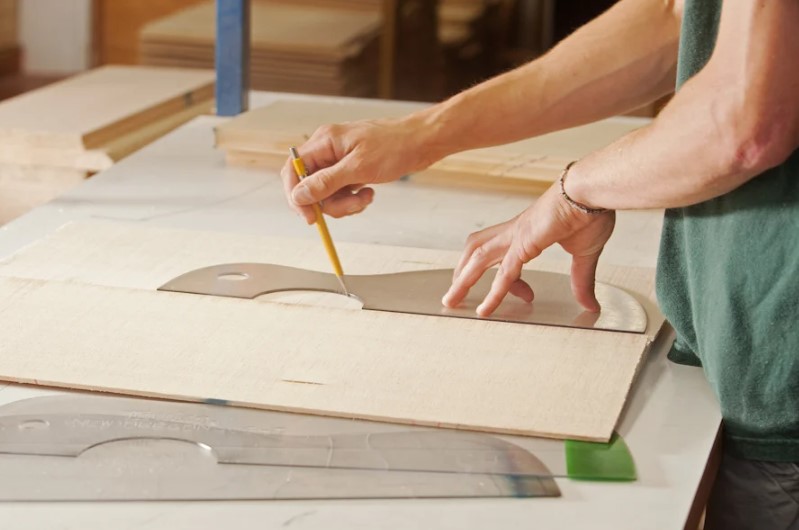
When it comes to building a great-sounding guitar, few factors are as influential as the guitar wood used in its construction. The choice of tonewood defines not only the visual appeal of the instrument but also its tone, sustain, and resonance. Whether you’re a luthier looking for the perfect tonewood for guitars or a guitarist trying to understand what makes your instrument sing, understanding the characteristics of different wood combinations is key.
Table of Contents
This guide explores the best guitar wood combinations, why they matter, and what to consider when shopping for guitar tonewood for sale.
Why Guitar Wood Matters
The wood selected for a guitar greatly impacts its tone and overall feel. Different types of guitar wood bring unique qualities to the instrument, such as warmth, brightness, clarity, or sustain. From the top to the back and sides, and even the neck and fretboard, every piece of wood plays a role in shaping the guitar’s voice.
Luthiers often experiment with different tonewood for guitars to find the perfect match. It’s not just about aesthetics—although that matters too—it’s about creating harmony between materials to produce an instrument that sounds and feels right.
Top Tonewood Combinations for Acoustic Guitars
Spruce and Rosewood
This is one of the most classic and popular combinations for acoustic guitars. Spruce, especially Sitka spruce, is favored for the soundboard due to its lightness and strength. It offers excellent projection and clarity. When paired with Indian rosewood on the back and sides, it produces a rich, balanced tone with a wide dynamic range. This pairing is often found when browsing guitar tonewood for sale, as it’s a proven choice for professionals and hobbyists alike.
Cedar and Mahogany
Cedar is softer than spruce and responds well to a light touch, making it ideal for fingerstyle playing. When matched with mahogany back and sides, the result is a warm, mellow sound with strong midrange presence. Mahogany is a favorite among those seeking solid tonewood for guitars that deliver a vintage, earthy sound.
Maple and Spruce
Maple’s dense, reflective nature pairs beautifully with spruce tops, producing a bright, articulate tone with superb note separation. This combination is ideal for genres like jazz or bluegrass, where clarity and precision matter. You’ll often find this duo featured in high-end models and among premium selections of guitar tonewood for sale.
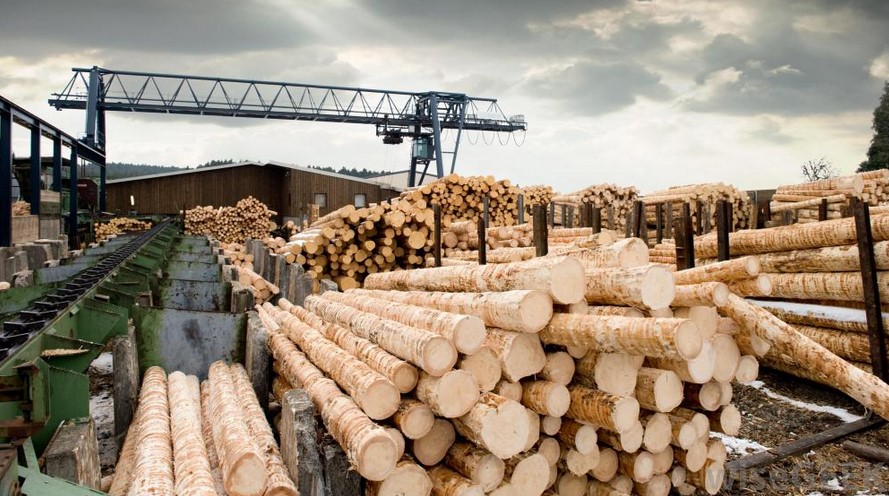
Best Wood Pairings for Electric Guitars
Mahogany and Maple Top
This combination is iconic, especially in guitars like the Les Paul. Mahogany brings warmth and sustain, while a carved maple top adds brightness and definition. Together, they offer a balanced tonal palette suited for rock, blues, and metal. This combo remains a staple in the catalog of many guitar wood suppliers due to its enduring popularity.
Alder and Maple Neck
Used in many Stratocaster-style guitars, alder provides a balanced, full-bodied tone with excellent sustain. When paired with a maple neck and fretboard, the result is a snappy, responsive sound perfect for clean and distorted tones alike. It’s no surprise that this is one of the most requested tonewood for guitars, especially among builders and modders.
Basswood and Maple
Basswood is lightweight and soft, making it easy to work with. It has a neutral, balanced tone and is often used in combination with a hard maple neck. This combo is great for fast players who want even tonality across all frequencies. For those looking to experiment or build affordable custom models, this duo is often available when exploring budget-friendly guitar tonewood for sale.
Factors to Consider When Choosing Guitar Wood
Tone and Play Style
Different guitar wood options cater to different playing styles. Fingerstyle players may prefer cedar for its responsiveness, while flatpickers might lean toward spruce for its projection. Knowing your play style helps narrow your options.
Durability and Stability
Stability is crucial, especially for neck woods. Hardwoods like maple and mahogany are known for their structural integrity. They resist warping and contribute to tuning stability.
Availability and Cost
Some exotic tonewood for guitars, such as Brazilian rosewood, are rare and expensive. Others, like sapele or walnut, provide similar tonal properties at a more accessible price. When browsing guitar tonewood for sale, consider your budget alongside tonal goals.
Sustainability
Ethical sourcing is increasingly important. Many suppliers now focus on responsibly harvested guitar wood, ensuring that beautiful guitars don’t come at the cost of environmental damage.
Best Places to Buy Tonewood for Guitars
When you’re ready to build or upgrade your instrument, finding a reliable source of guitar tonewood for sale is key. Look for suppliers that specialize in lutherie and provide detailed specs and certifications. Quality tonewood should be properly aged and dried to ensure tonal consistency and workability.
Some trusted vendors offer sample kits or pre-matched sets, making it easier for beginners to experiment with combinations that work well together.
Frequently Asked Questions
What is the best wood for an acoustic guitar top?
Spruce is the most commonly used top guitar wood because of its strength, light weight, and tonal clarity. Cedar is another excellent option for softer tones and fingerstyle playing.
Which wood produces the warmest tone?
Mahogany is widely known for its warm, full-bodied tone. It enhances midrange frequencies and is often used for the back, sides, or neck of guitars.
Are exotic woods better for guitars?
Not necessarily. While exotic tonewood for guitars can offer unique aesthetics and sounds, they are often more expensive and harder to source. Many traditional woods like maple, spruce, and rosewood perform just as well.
Can the type of wood affect guitar sustain?
Yes, the density and grain of the guitar wood influence sustain. Denser woods like mahogany and maple usually offer better sustain compared to lighter woods.
Where can I find high-quality guitar tonewood for sale?
You can purchase quality guitar tonewood for sale from specialty luthier shops, online tonewood suppliers, or woodworking stores that cater to instrument builders. Always check for kiln-drying and proper seasoning of the wood.
Conclusion
The perfect guitar begins with the perfect blend of tonewoods. Whether you’re building a custom piece or buying off the rack, understanding guitar wood combinations can elevate your playing experience. From spruce-topped acoustics to maple-bodied electrics, each pairing offers something unique. Keep your ears open, your hands ready, and explore the vast world of tonewood for guitars to find the combination that resonates with you.


About the Author